Choose molecules found in nature
We focus on materials derived from plants and other biological sources.
RESEARCH BY SHUNSUKE YAMADA · KYUTECH
Imagine sensors and batteries that return to nature after their job is done.
We study materials for electronics designed to disappear after use.
THE FIRST QUESTION
Tiny sensors and batteries help in medicine, agriculture, and environmental monitoring.But when left in hard-to-reach places, they can become waste.
What if a device worked only when needed, then disappeared?
Could electronics be designed for a gentler ending?
THE CORE IDEA
Change relationships in the molecular world,
and the material's visible properties can change too.
We focus on materials derived from plants and other biological sources.
Moving positive and negative particles can carry information and electric charge.
By tuning how strongly molecules attract, we can create liquids, gels, and solids with different properties.
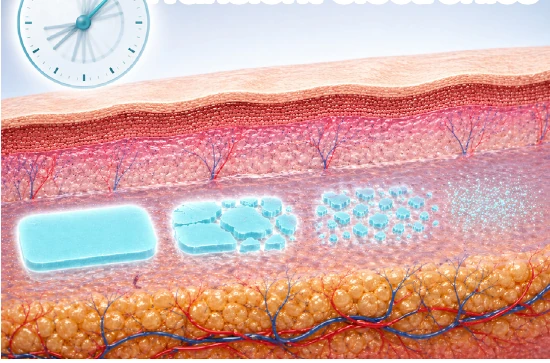
The goal is a device that works for the required time and then gradually breaks down.
We call this the design of intermolecular interactions.The name sounds complex, but the idea is simple.
THREE RESEARCH THEMES
We connect making, sensing, and powering
to design electronics that leave less behind.
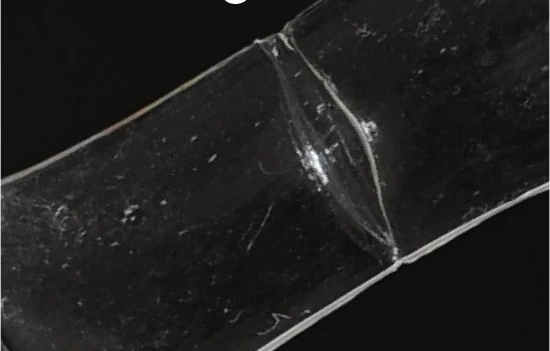
We combine molecules derived from plants and other biological sources to create materials that can carry electric charge.
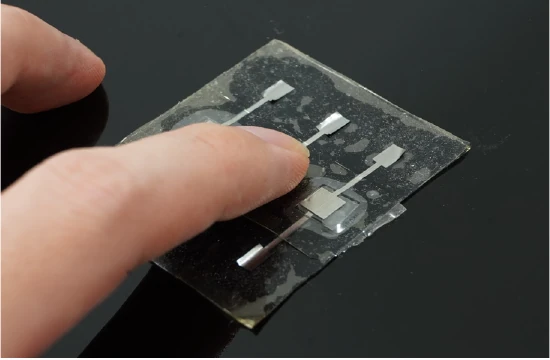
We develop sensors that detect temperature or touch, work for as long as needed, and then break down.
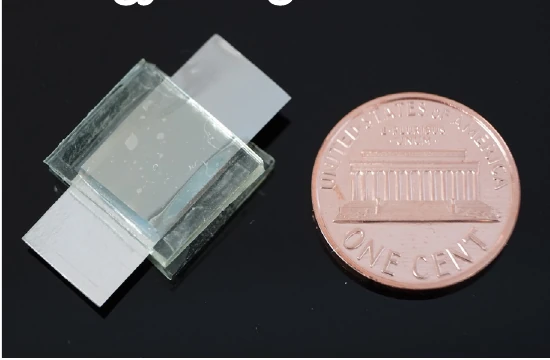
We study energy sources that power sensors while reducing their impact on the environment after use.
RESEARCH MAP
Our research begins by designing materials,
then turns them into sensors, batteries, and wearable devices.
We design how molecules interact to create useful properties such as self-healing and controllable polarity.
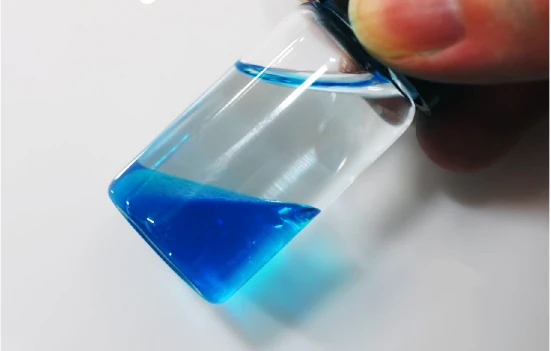
We turn soft materials into tactile sensors and compact energy-storage devices.
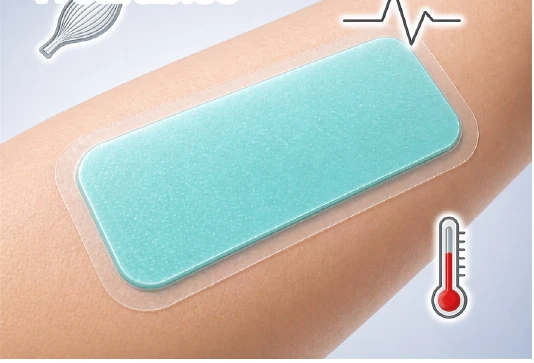
These devices may become electronics that fit the body—or disappear after their job is done.
WHERE?
We might gather important information in hard-to-reach places
without leaving lasting waste behind.
Medical sensors that may reduce the need for removal after treatment.
Environmental sensors designed to leave less waste in nature.
Materials for soft robots that move more like living things.
KEY TERMS
Tap a term to open a simple explanation.
A tiny particle with an electric charge. Positive and negative ions can move through materials, carrying charge and information.
Think of it as a tiny courier moving through a material.A property that allows a material to break down into smaller substances through microorganisms and natural processes. The conditions and timing matter.
Think of fallen leaves gradually returning to the soil.Technology that uses the movement of ions as well as electrons. Because living bodies also communicate with ions, iontronics works well with soft devices.
Think of it as a shared language between living systems and electronics.YOUR NEXT STEP
This page is only the entrance. The full research website presents publications, current projects, and the latest news in greater detail.
Visit the full research website